Refreshing an older article can improve its usefulness when information has changed, important questions are missing or the page no longer meets the reader’s needs. Changing the publication date or adding paragraphs without a reason does not create value. Start with evidence about what is outdated or incomplete.
1. Choose pages worth reviewing
Use Search Console, analytics, editorial knowledge and business priorities to identify candidates. Look for pages with relevant impressions but weak clicks, declining useful traffic, outdated instructions or a clear role in an important topic cluster. A low-traffic page may still matter if it supports customers or contains valuable information.
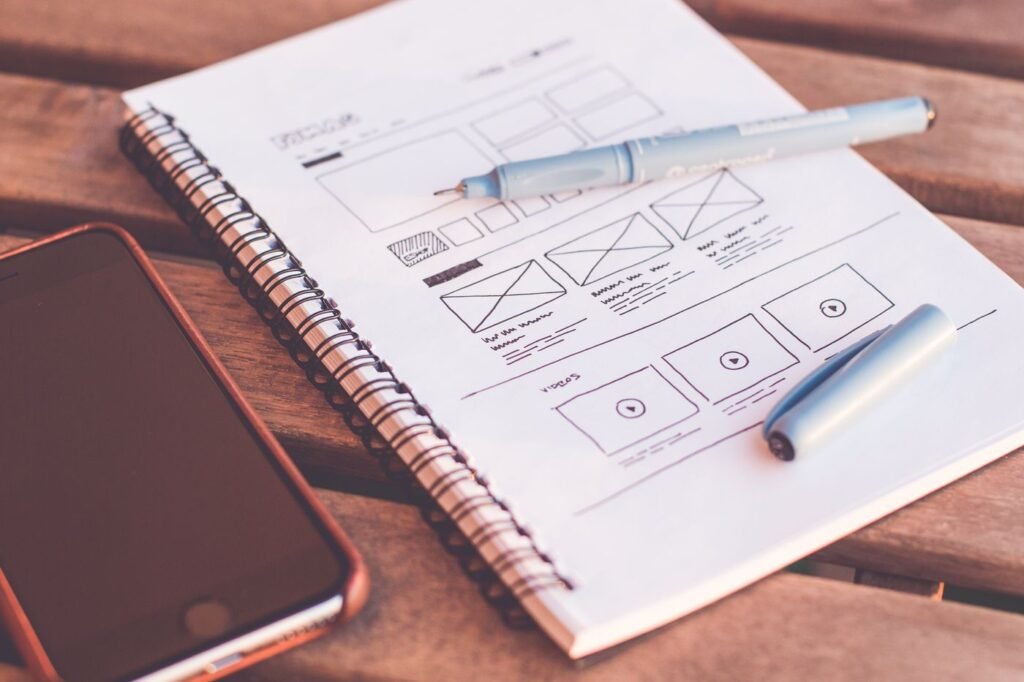
Laptop workspace for updating website content (Pexels)
2. Recheck the reader’s question
Read the article as if you had never seen it before. Does the opening answer the question? Are the steps clear and complete? Have the reader’s constraints or available tools changed? Review related search queries and genuine support questions to find missing details, but do not add sections just because a keyword tool suggests another phrase.
3. Verify factual claims and links
Check dates, platform instructions, product details, statistics and external references. Replace broken links and remove claims that cannot be verified. For technical guidance, prefer current official documentation when the behavior depends on a platform or software version.
4. Improve structure and examples
Move essential information earlier, replace vague headings and remove repetition. Add a worked example, comparison table or troubleshooting path when it makes the task easier to complete. Use enough detail to answer the question without padding the article to reach an arbitrary word count.
5. Improve internal linking
Add links to relevant supporting guides and service pages where they provide a useful next step. Find older articles that should link to the refreshed page. Use descriptive anchor text and ensure destinations are current. Avoid adding irrelevant links merely to increase a page’s link count.
6. Review media and accessibility
Replace screenshots that no longer match the interface and add images only when they explain something. Verify media licensing, alt text and mobile display. If a diagram or screenshot carries important information, explain it in accessible text as well.
7. Check technical SEO
Confirm the preferred URL, canonical, title, description, indexability and structured data. Do not change the URL unless there is a clear reason and a redirect plan. Check that the page is linked from relevant parts of the site and that important internal links do not point through unnecessary redirects.
8. Measure the effect
Record the changes made and the date. Monitor relevant queries, clicks, engagement and business outcomes over a suitable period. Account for seasonality, site-wide changes and normal search fluctuations. One article’s improvement does not prove that every page should receive the same treatment.
Refresh area
Useful action
Accuracy
Verify claims, instructions and external links
Intent
Answer the main question clearly and early
Structure
Remove repetition and improve scanning
Examples
Add practical detail where it aids understanding
Internal links
Connect genuinely related pages
Measurement
Record changes and evaluate outcomes over time
Frequently asked questions
Should the publication date always be updated?
Only follow the site’s editorial policy and reflect a substantive review accurately. Do not make a page appear freshly updated when little has changed.
Should a declining article be deleted?
Not automatically. Investigate the cause and consider improving, consolidating or redirecting it based on its purpose and value.
Refresh for readers first
A good content refresh makes the answer more accurate, complete and easier to use. Feed Flow’s digital marketing services can help prioritize content improvements based on search evidence and business relevance.